We Bust These 3 Popular Galvanized Grounding Myths
Updated: March 2026
In this article:
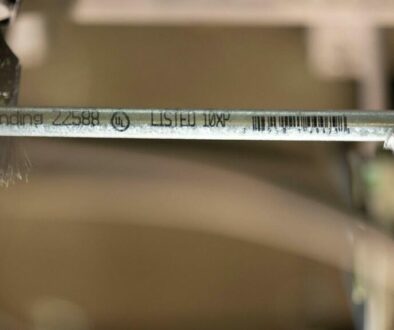
Grounding is a critical aspect of electrical systems that ensures safety and protects against electrical faults. One commonly used material for grounding is galvanized steel. However, there are several galvanized grounding myths that can lead to misconceptions and potential hazards.
We’re going to debunk three popular galvanized grounding myths, providing you with accurate information to make informed decisions about electrical safety.
At Southern Grounding, our nationwide inventory is ready to ship. You never have to worry about quality because our grounding products are UL certified and NEC qualified. Discover why we’ve been trusted by national companies for more than 50 years. Contact us today for a quote.
Common Galvanized Grounding Myths
Myth 1: Galvanized steel is not an effective conductor for grounding
Can you use galvanized steel for grounding? This is one of the popular galvanized grounding myths.
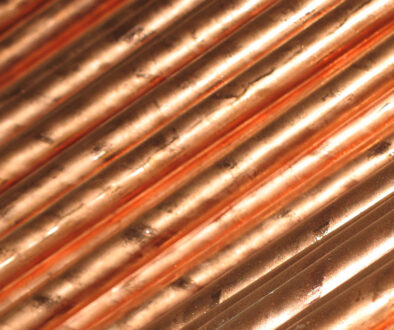
One prevailing myth suggests that galvanized steel is not an efficient conductor for grounding purposes. This misconception likely stems from the fact that pure copper has a higher electrical conductivity than galvanized steel. While it is true that copper is an excellent conductor, galvanized steel can still be an effective choice for grounding.
Galvanized steel refers to steel coated with a layer of zinc to protect against corrosion. When properly installed, galvanized steel can:
- Provide a product that can stand the test of time
- Establish a reliable electrical connection between the grounded system and the earth
- Offer solid conductivity
- Provide excellent corrosion resistance
In fact, galvanized grounding rods are commonly used in a variety of electrical applications, including residential, commercial, and industrial settings. They have proven to be a cost-effective and durable solution, effectively dissipating electrical energy and ensuring electrical safety.
So consider that galvanized grounding myth busted!
Myth 2: Galvanized grounding is not suitable for high-resistance grounding systems
Another misconception and galvanized grounding myth that circulates is that galvanized grounding rods are not suitable for high-resistance grounding systems.
High-resistance grounding refers to a method where a resistor is connected between the neutral point of a power system and the grounding electrode. This setup limits the fault current to a low level and prevents damage to the electrical equipment.
Contrary to the galvanized grounding myths, galvanized grounding rods can be successfully incorporated into high-resistance grounding systems. The zinc coating on the galvanized steel rods provides an effective resistive path.
By selecting the appropriate resistance value for the grounding resistor, you can control the fault current to the desired level, irrespective of the grounding material.
It is important to consult with a qualified electrical engineer or a professional familiar with high-resistance grounding systems to ensure proper design and installation. They can help determine the appropriate grounding resistor value and the necessary galvanized grounding components to achieve optimal system performance and safety.
Myth 3: Galvanized grounding is not suitable for lightning protection
Lightning strikes pose a significant risk to electrical systems and can cause severe damage if not properly protected. Some people believe that galvanized grounding rods are not effective for lightning protection, assuming that only specific materials, such as copper or aluminum, are suitable for this purpose. However, this is just another one of the galvanized grounding myths.
Galvanized grounding rods can indeed be used effectively in lightning protection systems. The primary objective of a lightning protection system is to provide a low-impedance path for the lightning current to safely discharge into the ground. Galvanized steel grounding rods, with zinc coating, offer corrosion resistance and conductivity required for this purpose.
When designing a lightning protection system that includes galvanized grounding rods, certain factors must be considered. These include:
- The height of the structure
- The location of the structure
- The local lightning strike density
- Specific requirements outlined in guidelines
Proper installation techniques, such as bonding conductors and appropriate grounding connections, are crucial for ensuring the effectiveness of galvanized grounding rods in a lightning protection system.
Consulting with lightning protection specialists or qualified electricians experienced in this field is recommended to design and install a robust and reliable lightning protection system that incorporates galvanized grounding rods.
By debunking this myth, we emphasize that galvanized grounding rods can play an essential role in safeguarding structures and electrical systems against the damaging effects of lightning strikes. It offers a cost-effective and durable solution, provided that it is integrated correctly into a comprehensive lightning protection strategy.

Don’t Fall for These Galvanized Grounding Myths: Trust Your Job to the Experts at South Atlantic
Understanding the facts and dispelling galvanized grounding myths is essential when it comes to electrical safety, especially regarding galvanized grounding rods.
By debunking these popular myths, we have shed light on the effectiveness of galvanized steel grounding rods as:
- Conductors for grounding purposes
- Products that are compatible with high-resistance grounding systems
- Effective products for lightning protection
When implemented correctly and maintained properly, galvanized grounding rods can provide a reliable and durable solution for electrical safety.
As always, it is crucial to consult with professionals and adhere to applicable electrical codes and standards when designing, installing, and maintaining any grounding system. By doing so, you can ensure a safe and efficient electrical infrastructure that protects both people and property.
Need Help With Grounding Projects? South Atlantic Has You Covered
Experience the difference for yourself: Not only do we exceed industry standards for all our grounding rods, we also have all the technical specifications and expertise to help ensure you have the product you need.
We’ve also earned a reputation for excellence in any accessories used in platforms, pipe supports and other items for the utility industry.
Get started and see the many ways we’ve got you covered. Contact us today.
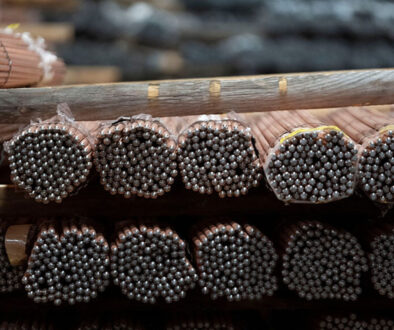
Grounding is a serious aspect of your project. There can be no shortcuts, and any mistakes can have disastrous and dangerous consequences. Next, let’s take a look at three common grounding mistakes and how they impact your project.
These Common Grounding Mistakes Can Ruin Your Project
Taking the time to properly ground electrical equipment during your construction project can feel like a hassle. Over time, more requirements and guidelines have increased the amount of time and money the process takes. Close attention is necessary to prepare things before continuing with the build.
But, these extra steps are not just “best practices.” They are important safety measures that can protect you, your crew, and your end customer from electrical shock and related risks.
Even from a budget and time perspective, you will cause costly delays if your project does not meet safety requirements.
With that in mind, there’s a few common grounding mistakes that can ruin your project, putting people at risk and causing delays.
Common Grounding Mistakes to Avoid
Not Attaching (or Reattaching) The Grounding System
One of the most basic but common grounding mistakes is not properly attaching electrical devices to the grounding system. Another is failing to reattach the system components after rearranging things.
Improper connections between devices and grounding rods or wires can happen when the devices are improperly wired. Loose wiring can disconnect under light tension and leave a live wire exposed and ungrounded.
Another risk is improperly reattaching the metal raceway after a project has shifted when one is being used as a main conductor for the grounding system. Common ways this can happen is if the raceway becomes unsecured and falls, or if it’s bent and pulled out of place.
This can leave the grounding wires attached to the metal raceway improperly connected. This sacrifices the integrity of the whole grounding system.
Failing to Properly Attach Appliances and Outlets
Another common grounding mistake is improperly connecting basic electronics, like kitchen appliances, outlets, or washers and dryers. Current code requirements call for the grounding of the metal frames of these appliances.
This happens by adding another grounding wire, called the equipment-grounding conductor. This is a common mistake, because some contractors are not aware of the updates to the code. Improperly grounded appliances and outlets are a major shock hazard and can easily cause an electrical fire in your home.
Only Installing a Single Grounding Rod, Instead of Two or Three
Another common grounding mistake is only installing a single grounding rod when a project requires two or more. The NEC allows for 25 ohms ground resistance or less to be present. But if more than that exists on site, additional grounding rods are necessary.
Now, most projects use two grounding rods from the beginning. Then, if the initial ground resistance measurement is too high, a third rod can be installed. But, too often the assumption after the first measurement is that adding one more rod will fix the problem. This can lead to many job sites that still need additional grounding rods. The only way to know for sure is to measure the ground resistance again after each new rod is installed. Unfortunately, this is not a common practice on job and construction sites.
Improper Grounding and Handling of Water Sources
There are two common grounding mistakes when it comes to water. The first is failing to bond equipment ground to a water pipe. The second is improperly grounding a submersible well pump.
Many assume that equipment wired around a grounded water pipe is sufficiently grounded, but that is incorrect! Each device needs to be individually bonded, even if you are using the water pipe as the point for grounding. When grounding by bonding equipment to a water pipe, there are specific requirements about where on the pipe materials can be bonded.
As bonding around water sources is a very specific process, you will want to study the NEC requirements carefully before moving forward with the project.
The other water-related grounding mistake is in regard to submersible well pumps. In the past, these well pumps were thought to remain underground. But as it became clear the common practice was to dig up the pumps to test them, it was necessary to add an additional equipment-grounding conductor wire to the pumps.
This prevents the pumps from becoming a shock hazard, even when being exposed for testing.
Avoid Common Grounding Mistakes by Working with the Experts
These are just a few of the many common grounding mistakes made on construction sites. While they may seem minor, they can have major consequences. From electrical fires to shock hazards, it is important to take the time to do things correctly from the beginning. This will save you time and money in the long run, and keep everyone safe.
Of course, one of the biggest mistakes you can make when building out the grounding system for your project is using the wrong materials. That is why working with our team at Southern Grounding Products [link to: https://southatlanticllc.com/southern-grounding/ ] is the best way to ensure your project is safe and up to code. With decades of experience working with crews across industries, our team has the expertise to help you order exactly what you need for your project, and avoid wasting money on the wrong materials.
Contact us today to get started using the form on this website and someone from our team will be in touch with you soon.
Grounding systems require close attention to detail, particularly when they are used to build a large-scale utility grid project. We’ll take a closer look at how to build a grounding system for large-scale utility grids, and what makes these projects successful.
How to Build a Grounding System for Large-Scale Utility Grid Projects With Help From Southern Grounding
When you’re working on a utility power distribution site, building the right grounding system is an important step to make sure power can flow with safety and efficiency. While this is of equal importance in small and large projects, the stakes are higher when working on an actual utility grid project. The grounding system is also a key component in ensuring the reliability of the grid.
Southern Grounding’s galvanized grounding rods and mesh help ensure that large-scale utility grids stay reliable by providing effective grounding solutions. Our grounding products are made in the USA, exceed industry standards, and ship directly from factories across the United States, including our own warehouse in Chattanooga, TN. This ensures the quality of the products and the dependability of their arrival.
When you purchase from us, you can be sure your grounding system will always be up to task, no matter the size or complexity of the project.
Learn more about why the right grounding system is even more important for large-scale utility grid projects below.
Proper Grounding Stabilizes the Equal Flow of Power, Boosting Efficiency
In order to ensure a safe and reliable power grid, it’s important to create a grounding system that can handle the amount of power being transferred. These grounding materials help stabilize the flow of power from source to destination, ensuring that it is equally distributed and no areas are overloaded.
This helps to protect the entire power grid from instabilities caused by surges or overloads. It reduces large-scale power outages and helps keep utility grids reliable.
Additionally, grounding systems help improve overall efficiency. With this system in place, power can flow with greater accuracy and safety, allowing systems to run at peak performance.
This means that utility grids can deliver power faster and more efficiently, helping to maximize their productivity.
Building the right system for utility power distribution can be an expensive and lengthy project. But, choosing the best combination of materials can help offset costs, shorten delays, and build a system that works even better.
At Southern Grounding, we keep a fully stocked inventory of a large variety of grounding materials to make any grounding system possible. Our experienced team can help you learn about the options available and swap some materials for others where it makes more sense for your project, and your wallet.
Contact us here if you’re ready to get started.
Galvanized Grounding Rods and Mesh Better Guarantee Power Grid Reliability
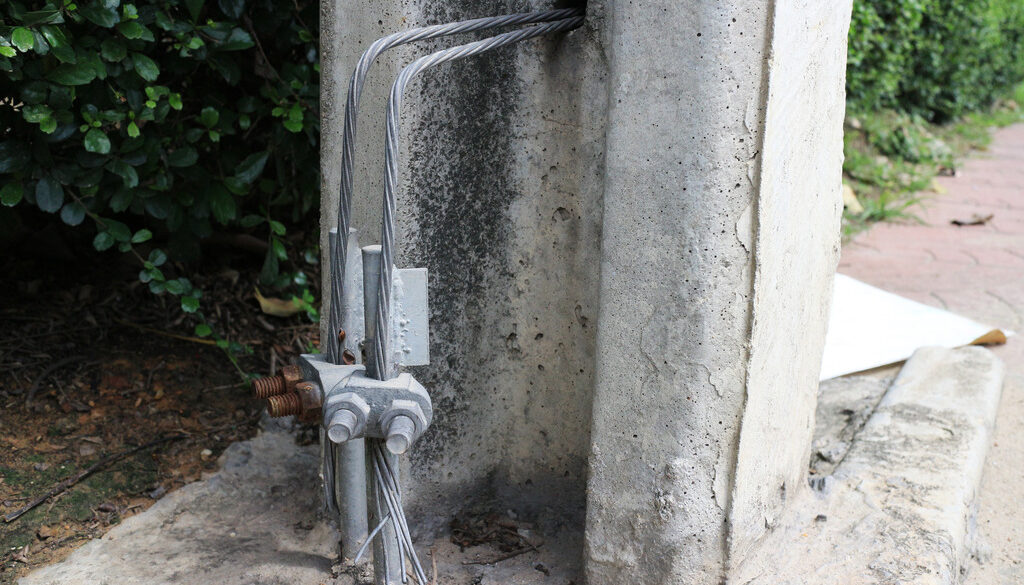
Grounding rods and mesh work together to create a seamless connection between power sources and the earth. Grounding rods are placed at strategic distances per NEIS Standards across the site and attached to the electrical sources.
The mesh is then rolled out between these rods to connect them. The end result gives the entire system the benefit of maximum contact with the earth. It also cuts the cost of using extra grounding rods to span the same distance.
Added protection is essential for utility power distribution sites, as it helps to ensure that their systems stay safe no matter what. It ensures power grid reliability by keeping energy flowing through the site and into the ground. This keeps the system neutral, instead of enabling electricity to build up then shock the system or someone in the vicinity.
The superior pairing of galvanized grounding rods with galvanized mesh creates a grounding system that has maximum corrosion resistance. This not only helps the system remain intact longer, but also cuts down the installation costs when building the system.
To connect the grounding rods, the mesh does not need to be very far below the surface. This means it may only be covered by a thin layer of dirt or gravel. Using a self-healing material like galvanized steel means that the inevitable scratching and wearing down of the mesh will not compromise its performance.
The grounding products from Southern Grounding are designed to work together, creating a system that is strong and reliable enough for large-scale utility grid projects. Our galvanized rods and mesh surpass ASTM standards.
We have our own zinc baths that we use to hot-dip galvanize our products to make sure they not only meet industry standards, but meet ours as well! Learn more about our galvanizing division here.
The Right Grounding System Keeps Everyone Safe
Grounding systems are essential for protecting utility grids from surges and overloads. When these systems are installed correctly, it helps to keep everyone who works on or connects to the power grid safe from electric shock and other hazards.
An improperly built grounding system can be fatal, even on smaller scales like home sites. All it takes is one improperly grounded appliance or wire to cause an electric shock.
On large-scale sites, grounding systems are just as important. Many utility power distribution sites are placed either in wooded areas where they’re out of the way, or end up around neighborhoods as new developments are built.
This means that a rogue spark can quickly start a large fire in a place surrounded by flammable materials. It also means many people, from those who work on the grid and power lines to those who live around them, are in greater danger of electric shock and burns if electricity isn’t properly channeled through the grid and into the earth.
Improper grounding also jeopardizes the power grid reliability for the homes and businesses in the area that use that grid to stay running. A blackout can lead to many different, dangerous situations.
With Southern Grounding’s galvanized grounding rods and mesh, you can rest assured that your large-scale utility grid project is protected from power outages and will remain running safely. With our grounding products, you can get the reliability you need for a successful project.
Southern Grounding Has the Parts You Need for Your Grounding System
For an easy and effective way to build the best grounding system for the best price, order your materials from our team at Southern Grounding. By providing an effective grounding solution, our galvanized grounding rods and mesh help protect utility power distribution sites and ensure their systems stay safe and reliable.
From our large inventory to our relationships with manufacturers across the U.S., we can guarantee you’ll have everything you need for your projects on time and on budget, every time. With decades of experience working with utilities, builders, architects, engineers, and project managers, we can help you pick the right combination of materials for your design or build. Request a quote today.