Which is Better, Copper or Galvanized Grounding Rod?
In this article:
You understand how crucial ground rods are to your project. We’re not exaggerating when we say properly installed, quality ground rods can save lives.
But now comes the challenging part of the equation: What type of ground rod to use? Copper or galvanized ground rods?
We’ll examine the qualities of both copper and galvanized ground rods so you can make the right decision for your latest venture. Do you have questions? … At Southern Grounding, we’re dedicated to helping you succeed. Just contact us.
Is Copper a Good Grounding Rod?
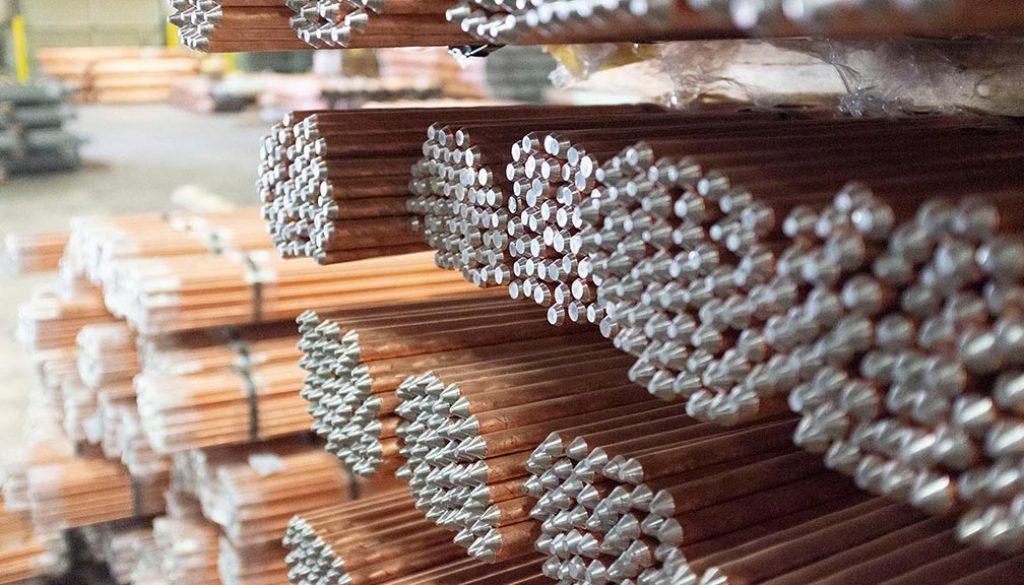
Chances are you’re familiar with copper’s long history in electrical systems. Copper is an excellent conductor of electricity because it has free electrons, which are vital for producing an electric flow.
Here are some aspects of copper ground rods:
- They have reliable durability and longevity. Depending on soil type, copper-clad grounding rods can perform for 40 years or more.
- They can cost more than galvanized ground rods.
- Copper ground rods can be more prone to corrosion than galvanized ones.
- Copper mining is more resource-intensive, while galvanizing produces less waste and lower emissions, making it a more environmentally friendly option.
Benefits of Galvanized Grounding Rods
The most obvious benefit of a galvanized grounding rod is its protective zinc coating. This enables it to resist corrosion, making it suitable for harsher environments. While copper is a better conductor, success also depends upon soil and environment.
Copper-clad
Excellent conductor
Acceptable long-term corrosion protection
More expensive than galvanized rods
100% recyclable–but copper mining negatively impacts the environment
Galvanized
Good conductor
Excellent long-term corrosion protection
Less expensive than copper
Using natural elements and producing recyclable waste, galvanizing remains “green.”
Which is Better, Copper or Galvanized Grounding Rod?
When grounding electricity on your job site, you have a few types of grounding rods to consider. Two of the most popular options are copper grounding rods or galvanized grounding rods.
Copper Grounding Rod: Conductive and Connected
Copper grounding rods are a classic choice for electrical contractors:
- Copper is conductive and connects easily to the earth.
- Copper has high corrosion resistance, which extends its lifespan.
- Copper grounding rods maintain their integrity better during installation.
Drawback: Copper grounding rods can be significantly more expensive than galvanized steel.
Galvanized Grounding Rod: An Affordable Alternative
Galvanized grounding rods are a great option for projects on a budget and can serve effectively for around ten years. If you’re working with existing galvanized materials, keeping the same material type helps avoid corrosive reactions that can occur when different metals are in contact.
At South Atlantic, we ensure that our grounding rods meet the highest standards. By delivering products with excellent conductivity and corrosion resistance, we help ensure that your system stands the test of time.
Don’t compromise on safety or performance. At South Atlantic, we’ve got you covered for all your grounding needs. Simply contact us or request a quote to get started.
How Long Do Copper Ground Rods Last?
Proper grounding is vital because it ensures the safety, stability, and effectiveness of your electrical systems—and it prompts the question, how long do copper ground rods last?
The Importance of Copper in Protecting Your Investment
Copper ground rods provide a pathway for electrical currents to flow safely into the earth, protecting people and equipment alike. Their durability allows them to maintain performance through demanding conditions.
How Long Do Copper Ground Rods Last? We Tackle Some FAQs
Industry averages suggest a lifespan of 20 to 40 years, though this can vary considerably due to soil conditions, installation quality, and maintenance practices.
Do Grounding Rods Go Bad?
Grounding rods are designed to be durable, but they can deteriorate over time due to:
- Corrosion
- Soil conditions
- Physical damage
How Do I Know If My Grounding Rod Is Bad?
Signs your grounding rod may need replacement include:
- Visible corrosion
- High resistance readings
- Frequent electrical issues like circuit overloads or tripped breakers

What Factors Affect the Lifespan of Copper Ground Rods?
Several variables influence lifespan:
- Soil quality
- Environment type
- Installation quality
- Maintenance practices

Why You Need UL 467 Ground Rods
It’s about more than mere liability. When working with grounding rods, customers expect safety and reliability. One quality control failure can have disastrous consequences.
The Importance of Grounding
Grounding provides a pathway for electricity to escape during extreme power surges, short circuits, lightning strikes, or voltage spikes. Safety and equipment protection depend on a reliable grounding system.
Why Do You Need UL 467 Ground Rods?
UL stands for Underwriters Laboratories, a trusted independent safety science company that tests products before they come to market.
UL certification means trust and reliability. Southern Grounding’s hot-dipped galvanized and copper-bonded ground rods meet the UL 467 standard, a leading benchmark for grounding and bonding equipment.
Products meeting UL 467 and related industry standards ensure safety and often help with compliance, inspection, and even insurance considerations.
Whether you’re planning a long-term installation or a short-term project, knowing these factors helps you make an informed decision that protects people, equipment, and investments.
Southern Grounding Makes Sure You’re Covered For Electrical Protection
At Southern Grounding, we ensure that our grounding rods meet the highest standards. By delivering products with excellent conductivity and corrosion resistance, we help ensure that your system stands the test of time.
Don’t compromise on safety or performance. At Southern Grounding, we’ve got you covered for all your grounding needs. Simply request a quote to get started.
Key Takeaways:
- Ground rods are essential to electrical safety, providing a controlled path for electrical current to safely disperse into the earth.
- Choosing between copper and galvanized ground rods depends on factors such as soil conditions, project lifespan, and budget.
- Copper ground rods offer excellent conductivity and corrosion resistance, making them ideal for long-term installations.
- Galvanized ground rods use a zinc coating to resist corrosion and are often a cost-effective choice for shorter-term projects.
- Copper ground rods typically last between 20 and 40 years, though lifespan varies based on environment and installation quality.
- Soil conditions, corrosion, physical damage, and maintenance practices all affect the longevity of grounding rods.
- Warning signs of a failing grounding rod include visible corrosion, high resistance readings, and recurring electrical issues.
- UL 467–approved ground rods meet rigorous safety and performance standards required by the National Electrical Code.
- Using UL 467–certified ground rods helps reduce liability, improve compliance, and increase overall system reliability.
——-
Sources:
Copper Development Association, “Grounding With Copper,” https://www.copper.org/publications/pub_list/pdf/A6169-GroundingwithCopper.pdf
EC&M, “Grounding & Bonding Definitions,” https://www.ecmweb.com/national-electrical-code/article/20889345/grounding-bonding-definitions
Electrical Engineering Portal, “9 Recommended Practices for Grounding,” https://electrical-engineering-portal.com/9-recommended-practices-for-grounding
National Fire Protection Association, “Codes and Standards,” https://www.nfpa.org/codes-and-standards/nfpa-70-standard-development/70
UL: Standards and Engagements, https://ulse.org/