
A Closer Look at the Types of Steel That Can Be Galvanized
In this article:
There’s a reason galvanized steel is the “go-to” material when it comes to standing the test of time. Its molten zinc coating reacts with the steel to form an alloy layer that protects the steel underneath. This is why its corrosion protection is trusted for a wide variety of projects—particularly construction and DOT.
But are all types of steel suitable for galvanizing? And how do the different types of steel react to the process?
In this article, we’ll take a basic overview of the chemistry involved, what materials are not appropriate and the benefits of the galvanizing process.
When you’re working on a major project, your reputation is on the line. Delays and poor-quality materials can damage your business and your bottom line. That’s why we can provide peace of mind and assurance through our 25‑point quality assurance system, comprehensive surface preparation, and experienced technicians who treat every part with care.
Want to learn more about why national brands have trusted us for more than 50 years? Contact us to request a quote.
What Is Galvanization?
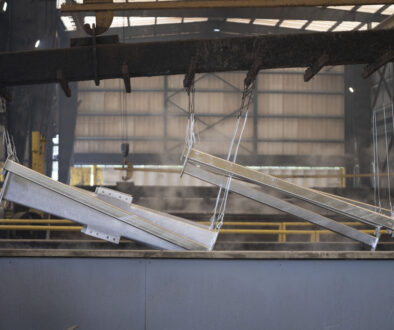
During galvanization, steel is submerged into a bath of molten zinc. The zinc bonds with the steel and protects it, serving as a sacrificial anode. It protects steel from rust even if the zinc coating is scratched.
What Types of Steel Can Be Galvanized? Why Steel Composition Matters in Galvanizing
Following are some composition situations that can affect galvanizing:
- Higher carbon levels can impact the reactivity of the steel and the coating growth.
- Coating and thickness are influenced by silicon and phosphorus.
- You’ll find that steel made of typical composition will result in a shiny, even coating, while reactive steels may produce a surface that is thicker or rougher.
- However, it’s vital to remember that these are only cosmetic differences; they do not affect the piece’s corrosion protection.
The types of steel that can be galvanized include:
Carbon Steel
Low-carbon steel
Due to its predictable chemistry, most of these mild steels will galvanize well.
Medium-carbon steel
While this type of steel can be galvanized, its increased alloy content may affect the coating thickness and the appearance of the piece.
High-carbon steel
If the piece is structurally sound, it can be galvanized. However, you’ll find more variety in its appearance and thickness. This is because it has a higher alloy content.
- Applications: You’ll find these used in structural and reinforcement projects. This is mainly because of the steel’s economical cost and reliable effectiveness when galvanized.
Structural Steel
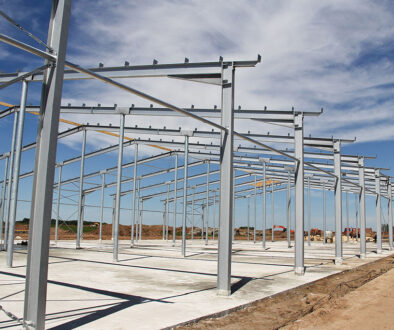
You’ll discover that structural steel is frequently and routinely galvanized. This most often includes:
- I-beams
- Channels
- Tubes
- Other shapes
When galvanizing, it’s critical to consider that thicker sections will often need more time in the protective molten zinc bath. However, even the thick pieces of steel can still be galvanized.
- Applications: You’ll often see this type of galvanized metal in buildings and bridges.
Sheet and Strip Steel
These pieces are frequently galvanized. Due to their size, they are more often continuously galvanized as opposed to batch galvanizing. What’s the difference?
Continuous galvanizing is a more automated process that provides a uniform layer. It is also performed in a continuous production line (hence the name)
Batch galvanizing involves dipping the fabricated parts into a molten zinc bath.
- Applications: These include roofing, cladding, automotive body components, and appliances.
Cast Steel and Iron
These items can be successfully galvanized, though it’s important to note that there are several differences in the way they react with zinc.
First, because iron has a higher silicon content, it’s more porous. As a result, cast iron may have rougher or uneven coatings, as opposed to steel, which results in smoother, thinner coats.
Applications: Engine blocks, machine bases, cookware, pipes, gears and vehicle frames.
High-Strength and Alloy Steels
When galvanizing these materials, it’s vital to monitor the pickling process because it can possibly introduce atomic hydrogen.
Atomic hydrogen can sometimes lead to premature failure because it reduces ductility.
Applications: Airplanes, chassis, construction projects, pipelines, and heavy machinery such as tools or turbines.
Surface Preparation Should Always Be a Priority
One common denominator that should always be considered with any steel is the subtleties of surface preparation. This includes carefully and completely removing any rust or organic material through a chemical process that involves cleaning, pickling, degreasing and fluxing.
It’s Crucial to Follow Any ASTM Standards
At South Atlantic, we meet or exceed all ASTM standards.

What Types of Steel Cannot Be Galvanized?
Stainless Steel
The nickel content in stainless steel, particularly the 300 and 400 series, will often fail to galvanize. This is because they catalyze the zinc-iron reaction. This means that the chemical reaction between molten zinc and steel is faster and more intense.
Steels With High Amounts of Silicon or Phosphorus
First, a clarification. These steels can be galvanized, but the galvanization often presents issues. Because they are reactive, they may produce a thick matte coating that is very rough. As a result, it’s more difficult for these steels to meet appearance specifications.
How Does Steel Chemistry Impact the Galvanizing Process?
There are several ways steel chemistry impacts the galvanization process, centering around reactive elements such as silicon and phosphorus. The metallurgical reaction between these trace elements and the molten zinc can impact areas such as:
- Coating thickness: Thicker coatings may present a greater risk of flaking.
- ASTM standards: Coating thickness may not adhere to the best ASTM practices.
- Finish: Depending upon the steel chemistry, it may have a shiny appearance or a matte appearance due to the zinc-iron alloy layers.
Can You Galvanize Recycled Steel?
This depends greatly upon the condition of the steel. If the steel sections are structurally sound and fit, it’s possible to refurbish them and hot-dip galvanize, according to information from the American Galvanizers Association.
Questions About the Types of Steel That Can Be Galvanized? Let Our Experts Walk You Through the Process
When it comes to galvanizing different types of steel, there are a lot of details involved. Focusing on the finer points of chemistry is vital to completing a successful project.
At South Atlantic, we take these details seriously, reflecting our dedication to excellence that has continued for more than 50 years. Want to learn more about how we’ve got you covered? Contact us today for a quote.
Key Takeaways:
- Galvanized steel is widely trusted for corrosion protection due to its zinc-iron alloy coating.
- Steel chemistry, particularly carbon, silicon, and phosphorus levels, directly affects galvanizing results.
- Cosmetic differences in galvanized coatings do not impact corrosion resistance.
- Most carbon, structural, sheet, and cast steels can be successfully galvanized.
- High-strength and alloy steels require careful monitoring during the pickling process.
- Proper surface preparation is essential for successful galvanization.
- Certain metals, such as stainless steel, copper, and aluminum, are not suitable for galvanizing.
- Alternative coatings can provide corrosion protection for non-galvanizable metals.
=====
Sources:
American Galvanizers Association, “Evaluating Steel Chemistry Prior to Galvanizing,” https://galvanizeit.org/knowledgebase/article/evaluating-steel-chemistry-prior-to-galvanizing
American Galvanizers Association, “What Types of Metals Will Not Galvanize,” https://galvanizeit.org/knowledgebase/article/what-types-of-metals-will-not-galvanize
American Galvanizers Association, “Galvanizing Old or Recycled Steel,” https://galvanizeit.org/knowledgebase/article/galvanizing-old-or-recycled-steel