Why Hot-Dip Galvanized Masonry Ladder Wire Works Better
When you are constructing the walls of a house or other structure, you are building them to last. This is especially true of concrete masonry, which uses concrete blocks to build the strongest walls. Concrete block walls can last hundreds of years. But, without the proper support system in place, they may not even make it a few months before issues arise.
That is why masonry ladder wire is the “secret sauce” to walls that maintain their integrity over the decades. But not all ladder wire is created equal. Let’s break down what exactly masonry ladder wire is, how it works, and why hot-dip galvanized ladder wire is the best choice for your building project.
What is Masonry Ladder Wire?
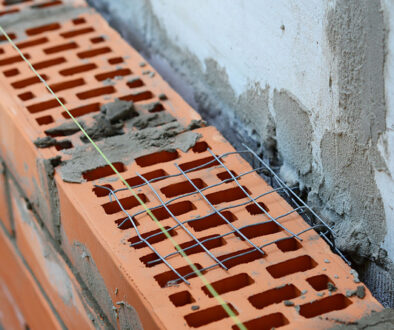
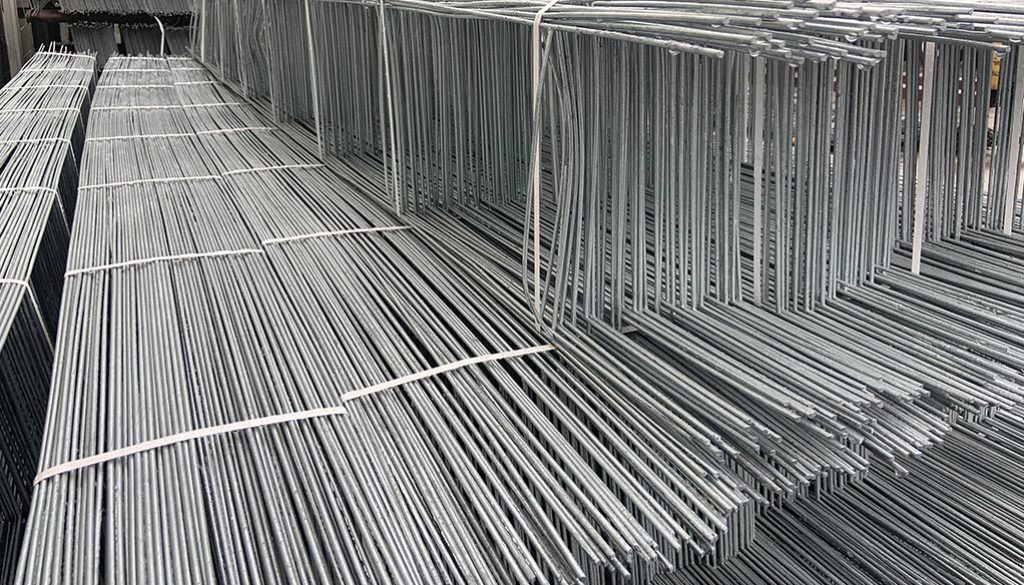
Masonry ladder wire is a type of reinforcement material used in concrete masonry. It is made from welded steel (rebar) and is built like a single-row grid, forming a “ladder” shape. It comes in different sizes and lengths and can be used in tandem with ladder mesh. The combination of spacing and sizes between the two create the perfect support system for different areas of a structure.
What Is Masonry Ladder Wire Used For?
Used in concrete masonry, ladder wire is an important part of the wall support system. It reinforces the concrete block walls by binding them together. This provides extra strength and stability, not unlike rebar used in transportation infrastructure.
Ladder wire works better than alternative options for reinforcement because it takes the shape of the concrete blocks into better consideration. To reinforce the walls, the blocks need to be stacked and bonded together, with room for grout but without gaping between blocks.
The steel “rungs” of the ladder are welded to the blocks, and then the blocks are mortared together. Portions of the ladder wire can be cut to accommodate curves and corners without sacrificing performance. Using masonry ladder wire creates a bond that is much stronger than the concrete or lesser reinforcements alone.
Concrete Spalling: The Downfall of Masonry
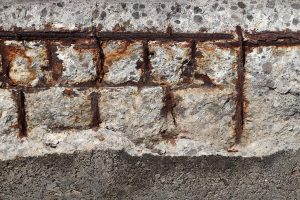
A common concern when building concrete structures is concrete spalling. Concrete spalling is when a lack of proper reinforcement within the concrete structure causes the concrete itself to start peeling and chipping away. This leaves the surface bumpy and uneven, which not only ruins the appearance of the concrete, but also threatens its integrity. Things related to the mixing, pouring, and hardening of the concrete can also cause spalling. But, using better materials to strengthen and support the interior of the project can go a long way in preventing spalling from happening.
Ladder wire or mesh made from uncoated rebar will not prevent concrete spalling. It will only add additional issues, because moisture and temperature changes will cause it to corrode quickly. This wears down the concrete from the inside and increases the likelihood of peeling and chipping, especially when combined with difficult environments where spalling is more common.
Coated ladder wire that pairs well with concrete and is more resilient in difficult weather will create walls and structures that outlast all others. We are, of course, referring to hot-dip galvanized ladder wire!
Why Masonry Ladder Wire Should Be Hot-Dip Galvanized
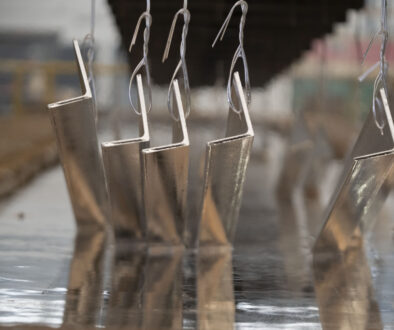
Hot-dip galvanized ladder wire is the only choice for masonry reinforcement because it provides the best protection against corrosion. Galvanized masonry ladder wire is made by dipping the steel rungs into a vat of molten zinc. This process coats the steel with a thin layer of zinc, which protects it from rust and corrosion.
Not only does it make the wire more corrosion resistant, but it also makes the walls themselves stronger. That is something even stainless steel wire can’t do! This happens because the zinc forms a chemical bond with the concrete. It almost melds itself into the concrete by entering the concrete’s pores. This transforms its chemical make-up for the better.
The chemical bond strengthens the concrete structure from the inside out. This can even help fix some of the vulnerabilities present in badly mixed or poured concrete. It will also ensure that no additional corrosion will come from within the walls. It practically creates double reinforcement against spalling and cracking!
Other Types of Ladder Wire
There are other types of ladder wire that have been treated or coated in different ways, but are not as effective at preventing concrete spalling.
As a steel rebar substance, you want to make sure your ladder wire has some type of coating. Left raw, it will corrode too quickly to make it worth using. Other types of coatings and treatments include: “mill galvanized,” which is the most basic treatment option, epoxy-coated wire, and stainless steel wire.
Mill-galvanized wire goes through a basic treatment process to make it more corrosion resistant. However, it is not approved for use in areas of high humidity or moisture exposure. Epoxy-coated wire is approved for use in these environments. But as we’ve written about in the past, epoxy coatings have fallen out of use in favor of hot-dip galvanizing. This is because epoxy coatings are unable to bond with the concrete and because they are fragile, which means small scratches can leave the steel inside susceptible to corrosion.
Stainless steel is the premium choice, but it comes at a premium price. And when concrete is involved, hot-dip galvanized steel can outperform even stainless steel! This is because of the mutually beneficial relationship that forms between the zinc coating and concrete.
The Secret to Strong and Steady Walls
It is this chemical reaction that makes hot-dip galvanized materials the best choice for concrete work, including concrete masonry. It is why walls, and bridges, can last for up to 100 years with galvanized reinforcements. Masonry ladder wire’s sole purpose is to strengthen concrete walls so that they will maintain their structural integrity. By hot-dip galvanizing the ladder wire, it becomes even better suited to its purpose.
Even if it costs more than mill galvanized steel, it proves its worth by being more resilient. It saves time, money, and headaches in the long run by preventing concrete spalling. This makes it a great choice for builders and construction companies who want to maintain a stellar reputation in the area. When all of your projects stay strong and steady long after you’ve finished them, your company will remain in high demand!
Need Quality Masonry Products Fast? South Atlantic Is Here for You!
We at South Atlantic are proud to be champions of America’s businesses not only because we work with them constantly, but also because we are one!
Because we are committed to only supplying the best building and construction materials, we hot-dip galvanize all of our masonry ladder wire. This allows us to recommend it to our customers with confidence. We offer the ladder wire in a variety of sizes to fit any project.
To learn more about our masonry ladder wire and other masonry products, visit our South Atlantic Masonry Products site here: southatlanticllc.com/masonry. You can also request a quote by filling out the form here.