How to Gauge the Bond Strength of Galvanized Rebar
In this article:
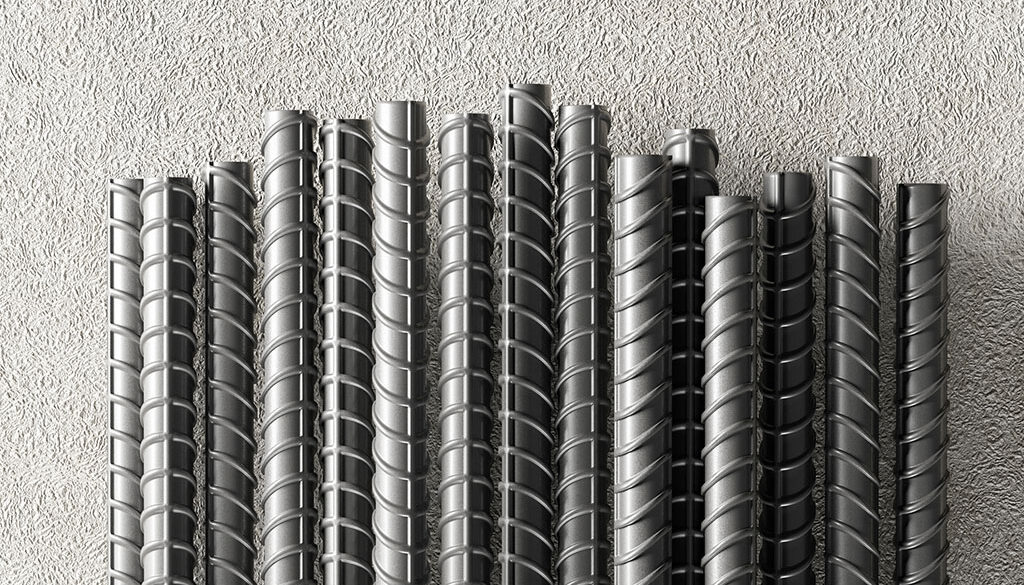
Your life is surrounded by structures that depend upon the reliable bond strength of galvanized rebar. From bridges to buildings, concrete and rebar form the building blocks of so many structures in our modern world…and our safety depends upon the reliability of those structures.
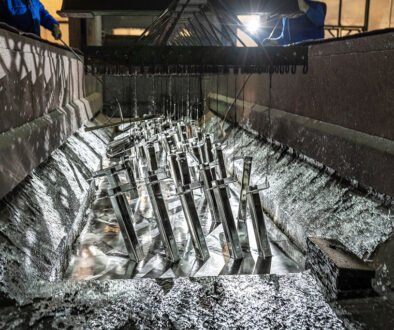
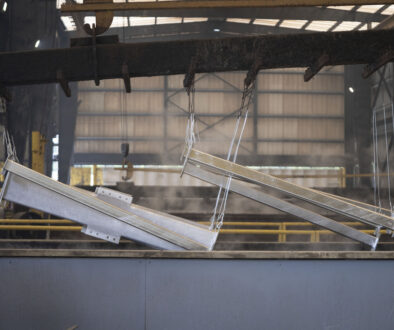
These structures are enhanced by the reliable strength of galvanized materials. Galvanizing is the process of dipping steel into vats of molten zinc. The resulting coverage creates a bond that is “sacrificial.” This means not only does the zinc provide barrier protection, but that it will actually rust before the material beneath it will.
Galvanized rebar is the leader in corrosion resistance, providing protection that, in some cases, outlasts the projects themselves. But to truly develop an appreciation for this, it’s important to understand how to evaluate bond strength. This equation is critical for helping engineers and other construction professionals make the right decisions.
At South Atlantic Reinforcing, we understand that you need to work with a company that understands even the most stringent ASTM standards—and can meet or exceed them. Our galvanizing process means that you can rest assured that your projects will stand the test of time. Our Airwipe rebar resists cracking and flaking. Produced in the USA, our products qualify under “Buy America” requirements, making them the smart, compliant choice. Contact us for a no-hassle, reliable quote.
How to Gauge Bond Strength: Practical Tips for Specifiers and Engineers
There are several methods for evaluating bond strength. The most important aspect is to be sure you’re using reliable and widely accepted testing methods. Don’t rely solely on one lab result or one manufacturer. Continue to look for reliable research.
Other tips for gauging the bond strength of galvanized rebar include:
- Inspecting the integrity of the coating
- Verify that there has been a chromate quench to be in compliance with ASTM A767/A767M requirements.
- Examine the concrete mix for the amount of chromates
- Account for cure time
What Does Bond Strength Mean in Concrete Reinforcement?
In reinforcement projects, the steel bars and surrounding concrete must move together in order to act as a unified structural system. This means it can provide decades of reliable performance.
Pull-out tests and lap splice tests are the typical standards by which bond strength is calculated. This is typically performed by applying loads until the system fails, recording the load at the moment of failure.
While laboratory results are important, they are not the only factor in determining bond strength. Cure time and environmental factors can influence the bond strength of galvanized rebar. This is why it is critical to look at the overall picture instead of hyperfocusing on an isolated piece of data.
How Does Galvanizing Impact the Bond Strength of Rebar?
There are several ways that galvanizing impacts the bond strength of rebar. We’ve provided a brief outline of each below:
The Galvanizing Process Creates a Metallurgically Superior Coating
Merely painting zinc on the surface is not the best method of corrosion protection. It is only through the intense bonding that occurs in hot-dip galvanization that you can truly achieve the strength and rust-resistance that sets your project up for success and longevity.
According to the American Galvanizers Association, the hot-dip galvanized coating achieves approximately 3,600 psi bond strength between the zinc and the steel itself.
The Role of Calcium Hydroxyzincate Crystals
But what causes this superior bonding strength? It’s believed that the key is the calcium hydroxyzincate crystals, which develop between the galvanized coating and the concrete.
Addressing the Hydrogen Evolution Question
But what about hydrogen?
It’s possible that a zinc coating and wet cement can start a chemical reaction that produces hydrogen gas. Trapped gas could weaken the bond between the concrete and the rebar.
Thankfully, the latest research indicates that this isn’t a large problem because:
- The gas stops forming sooner than originally thought
- The gas may form deeper into the coating–not where the rebar actually meets the concrete
However, just to be safe, it’s standard for galvanized rebar to go through a chromate quench after the galvanizing process. This plays a key role in preventing an opportunity for the gas to form.
ASTM A767/A767M requires hot-dip galvanized rebar to be dipped into a chromate quench after galvanizing to prevent possible hydrogen evolution.
How Does Galvanized Rebar Bond Strength Compare to Other Rebar Types?
Galvanized vs. Black (Uncoated) Steel Rebar
There is solid data from three independent studies that demonstrate how the hot-dip galvanization process enables rebar to have a higher bond strength to concrete. These studies were: Zinc Coated Reinforcement for Concrete, The Influence of Steel Galvanization on Rebar’s Behavior in Concrete, and Bond of Ribbed Galvanized Reinforcing Steel in Concrete.
Galvanized vs. Epoxy-Coated Rebar
Once again, numerous studies support the superiority of galvanized over epoxy-coated rebar.
The performance gap between galvanized rebar and epoxy-coated rebar is significant. Studies from the American Society of Civil Engineers, the International Journal of Cement Composites and Lightweight Concrete, and the Proceedings of the Institution of Civil Engineers found that epoxy-coated rebar showed a reduction of 20% to 50% in bond strength to concrete compared to black rebar.
That means epoxy-coated rebar performs similarly to plain round rebar — substantially below deformed black rebar. When compared to the higher bond strength of hot-dip galvanized rebar, the conclusion is clear: hot-dip galvanized rebar has much higher bond strength than epoxy-coated rebar.
This matters beyond just structural performance. Epoxy coatings are also vulnerable to damage during handling and installation; once the coating is scratched or chipped, the protection it provides at that point is essentially lost.
What Factors Can Weaken Bond Strength?
Although galvanized rebar demonstrates its many advantages in study after study, there are situations where the bond can be weakened. These factors include:
- Damage to the coating during handling
- Incomplete coverage
- Cure time
- Corrosive environments
- Salt exposure
- Non-compliance with the ASTM A767/A767M requirements (which can lead to the hydrogen issue mentioned earlier)
Not All Rebar Is Created Equal: Discover How South Atlantic Reinforcing Has You Covered
We don’t cut corners. We realize your job demands the best because it has to stand the test of time. No exceptions.
That equals a lot of headaches and stress because of the extensive details involved.
With South Atlantic Reinforcing, you can relax because we’ve been a trusted name in the concrete reinforcing industry for over 50 years, delivering true hot-dipped galvanized rebar and wire mesh to contractors, builders, and industrial companies across all 50 states.
Ready to learn more or discuss your next project? Contact the South Atlantic team. We’re here to help you specify the right solution for a project that will last for decades.
Key Takeaways
- Galvanized rebar uses a hot-dip zinc coating that provides sacrificial, barrier-level corrosion protection, meaning the zinc corrodes before the steel beneath it.
- Bond strength is best evaluated using multiple methods — including pull-out tests, lap splice tests, cure time, and environmental factors — rather than relying on a single data point.
- Hot-dip galvanization creates a metallurgically superior coating with approximately 3,600 psi bond strength between the zinc and steel.
- Calcium hydroxyzincate crystals are believed to be the key driver of superior bonding between galvanized rebar and concrete.
- A chromate quench after galvanizing — required by ASTM A767/A767M — mitigates the risk of hydrogen gas formation that could weaken the bond.
- Multiple independent studies confirm galvanized rebar has higher bond strength than both uncoated black steel and epoxy-coated rebar.
- Epoxy-coated rebar shows a 20–50% reduction in bond strength compared to black rebar, and is further compromised by coating damage during handling.
- Factors such as coating damage, incomplete coverage, corrosive environments, and non-compliance with ASTM standards can weaken bond strength even in galvanized rebar.
=====
Sources:
American Galvanizers Association, “Bond Strength of Galvanized Rebar,” https://galvanizeit.org/knowledgebase/article/bond-strength-of-galvanized-rebar
American Galvanizers Association, “Why HDG Rebar: Durability,” https://galvanizeit.org/reinforcing-steel-online-seminar/why-hdg-rebar/durability